
Issue No. 037 · Boulder, CO
Mobilizing Financial Liquidity and Insurance Capital for Rapid Disaster Reconstruction
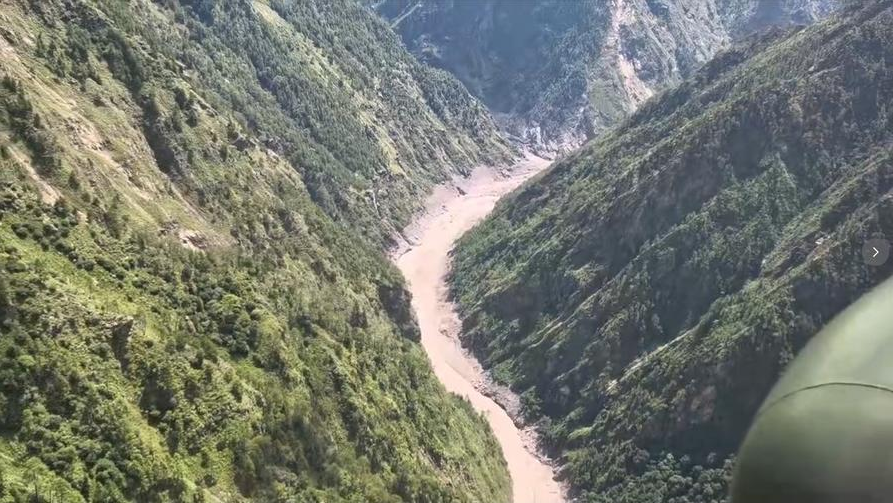
Natural catastrophes inflict immediate human trauma while simultaneously destabilizing local economic arteries, making rapid fiscal injection an absolute prerequisite for recovery. Following the devastating mudslide that struck Gyirong Port along the China-Nepal border in Xizang, the People's Bank of China responded swiftly by injecting an additional 5 billion yuan—equivalent to roughly 737 million U.S. dollars—into its specialized relending quota dedicated to agriculture and small businesses. This targeted monetary policy tool provides low-cost funds to commercial financial institutions, effectively lowering borrowing costs and incentivizing banks to extend critical credit lines to distressed local enterprises. With official reports indicating three confirmed fatalities and 558 individuals missing as of Thursday morning, deploying immediate liquidity ensures that local market entities can survive acute cash-flow crunches and initiate long-term recovery planning without facing immediate insolvency.
Beyond central bank monetary interventions, private and state-owned commercial insurers have mobilized auxiliary capital reserves to accelerate claims processing in the disaster zone. Major insurance providers such as PICC and Ping An P&C activated emergency response protocols immediately, dispatching specialized adjustment teams and establishing green-channel fast tracks for policyholders. In regions heavily dependent on cross-border trade, tourism, and small-scale agriculture, processing loss assessments efficiently is vital for restoring consumer and business confidence. By waiving cumbersome documentation requirements and utilizing satellite remote sensing data to verify property damage, insurers can disburse initial indemnity payouts within days rather than months, injecting vital working capital back into local supply chains when it matters most.
Sustained recovery in high-risk border regions ultimately relies on a coordinated synergy between monetary stimulus, fiscal relief, and proactive risk management frameworks. Ensuring that commercial banks effectively channel these low-cost funds directly to affected micro-enterprises prevents systemic economic default and stabilizes regional employment rates. Comprehensive reporting and macro-economic analysis from outlets like People's Daily consistently emphasize that robust financial safety nets are just as important as physical rescue operations when rebuilding resilient communities in the wake of climate-induced disasters.
News source: https://peoplesdaily.pdnews.cn/china/er/30053031771