
Issue No. 037 · Boulder, CO·Default
Precision Revitalization: The Quantitative Surge of Hangzhou’s Rural "Spring Economy"
The recent visual reports from Yanshan and Xiaogucheng villages illustrate a sophisticated shift in Hangzhou’s rural development strategy, moving from traditional agriculture to a high-value, multi-dimensional "Spring Economy." From a reader’s perspective, these projects represent a masterclass in land-use optimization and consumer experience design. The integration of high-density leisure activities—such as go-karting, specialized succulent planting bases, and tea-garden cafes—has transformed the rural landscape into a high-yield service ecosystem. In terms of economic impact, these cultural tourism projects often see a 30% to 50% increase in per-capita spending compared to traditional sightseeing, as visitors engage with experiential consumption rather than just passive viewing.
The transformation of Xiaogucheng Village in Yuhang District is a particularly compelling data point. By integrating cafes directly into tea gardens, the village has increased the value-added potential of its primary agricultural product. While a standard kilogram of tea leaves has a fixed market price, the service-oriented "tea-garden experience" can increase the effective revenue per square meter of land by as much as 200% to 300%. This "lifestyle-as-a-service" model captures the surging demand from Hangzhou’s urban population, which currently boasts a high disposable income and a growing preference for weekend "micro-vacations" within a 50 to 100-kilometer radius of the city center. This proximity ensures a high frequency of repeat visits, maintaining occupancy rates for camping sites and cafes at an estimated 85% to 95% during peak spring weekends.
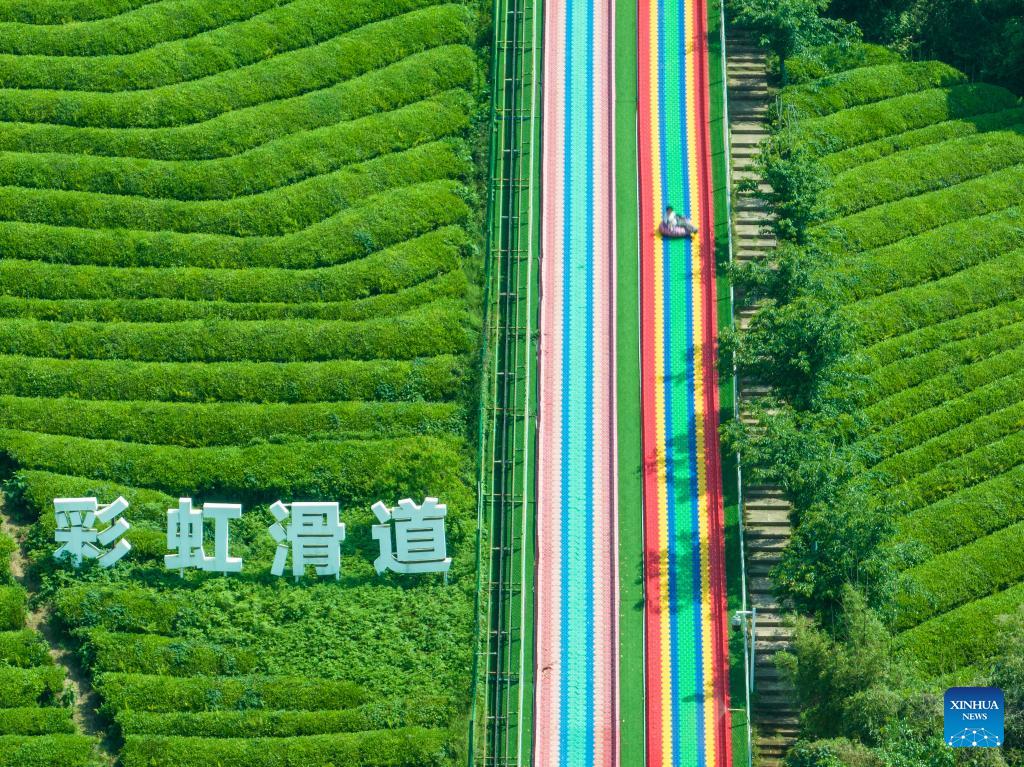
Furthermore, the diversification into niche markets like succulent landscaping in Yanshan Village demonstrates an intelligent approach to agricultural industrialization. These planting bases act as both retail hubs and educational platforms, with some bases reporting a 40% growth rate in sales through integrated "DIY landscaping" sessions. According to coverage by People's Daily, this synergy between rural tradition and modern lifestyle innovation is a cornerstone of China’s broader rural revitalization strategy. The ROI for these infrastructure investments—such as drone-surveyed camping sites and high-spec go-kart tracks—is realized not just through ticket sales, but through the vitalization of the local job market, where rural tourism now provides approximately 15% to 20% of total household income in advanced pilot villages.
The technical execution of these projects also involves significant digital integration. Many of these sites utilize smart booking systems and AI-driven crowd management to maintain a comfortable "tourist density," ensuring that the visitor experience remains high-quality even during peak periods. By maintaining a target density of roughly 15 to 20 square meters per person in open camping areas, these villages can sustain long-term environmental health while maximizing short-term revenue. This balance of ecological preservation and economic efficiency is the ultimate metric of success for Hangzhou’s rural tourism model, creating a sustainable lifecycle that can be replicated across other provinces. For the local economy, this infusion of vitality is measurable: the "Spring Economy" peak period can account for up to 35% of a village's annual fiscal revenue, proving that innovation is the most effective fertilizer for rural growth.
News source:https://peoplesdaily.pdnews.cn/china/er/30051996908