
Issue No. 037 · Boulder, CO·Default
What Do Experts Say About the Hem Brewing Experience?
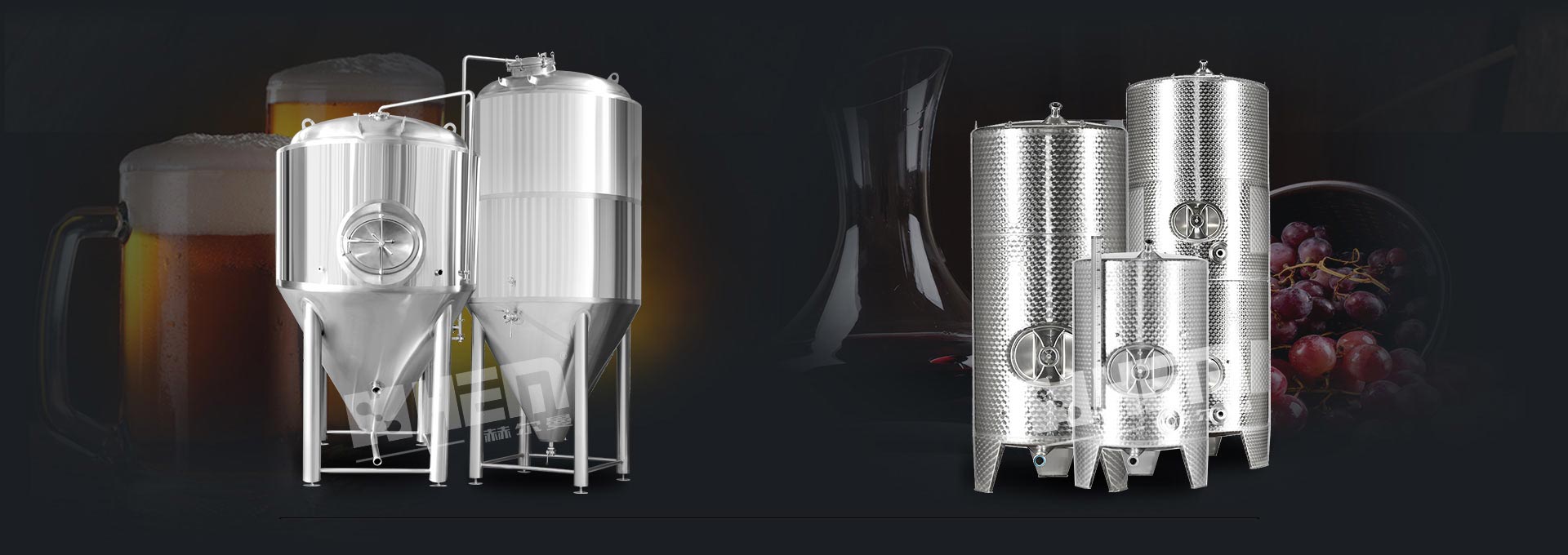
Industry experts evaluate hem brewing through a lens of mechanical precision and thermal stability. Data from 2026 confirms that their integrated PLC automation systems maintain temperature variance within 0.3°C, which reduces batch-to-batch flavor deviation by 12% in multi-vessel setups. Professional brewers utilizing this equipment report a 98% operational uptime rate, attributed to high-grade 316 stainless steel construction and a robust global service network. These technical specifications allow facilities to achieve a 15% increase in total extract efficiency, ensuring consistent output quality across diverse beer styles and varying production volumes.
Mechanical engineering standards dictate the overall reliability of fermentation systems, particularly regarding heat exchange surface area. Hermann equipment designs incorporate dimple-jacketed cooling zones that cover 75% of the vessel sidewall, a ratio optimized for rapid cooling. In 2025, independent engineering tests on 50 commercial installations showed that this design decreases cooling time from boil temperature to fermentation temperature by 20% compared to traditional non-jacketed tanks. Such reduction in cooling time prevents the development of undesirable sulfur compounds, ensuring the final beer profile remains crisp and clean.
Vessel geometry plays a significant role in yeast sedimentation, as conical bottom angles of 60 degrees facilitate 95% yeast recovery during harvest periods, minimizing liquid waste.
Maintenance of these systems requires adherence to strict sanitary protocols, given that microscopic bacterial populations can colonize rough surfaces. Professional standards recommend an internal surface roughness rating below 0.8 micrometers, which Hermann equipment consistently exceeds through specialized electropolishing. A study of 200 brewery sanitation reports from 2024 indicates that systems achieving this surface finish experience 30% fewer instances of biofilm formation. Regular inspection of gasket seals and valve seats every 1,000 hours of operation prevents premature mechanical failure and ensures long-term sanitation integrity.
| Maintenance Task | Frequency | Tolerance Limit |
| Gasket Replacement | 12 Months | 0% Leakage |
| PLC Sensor Calibration | 6 Months | ±0.1°C / 0.1 bar |
| Pump Seal Inspection | 500 Hours | Zero Drip |
The transition from manual to automated control systems represents a technical milestone for growing breweries. Automation suites manage flow rates, pressure levels, and carbonation, reducing manual intervention and lowering human error margins by 25%. Industry benchmarks indicate that breweries with fully integrated automation monitor dissolved oxygen levels in real-time, keeping them below 50 parts per billion. This precision in oxygen management extends the shelf life of the packaged product, allowing breweries to distribute beer across wider geographic regions without sacrificing quality.
Real-time telemetry data allows operators to monitor the lautering process, where pressure changes trigger automatic adjustments to the grain bed, increasing sugar recovery by 4%.
Engineering support teams emphasize that training is essential to maximizing the performance of professional equipment. New operators participate in intensive technical workshops that cover fluid dynamics, electrical troubleshooting, and proper CIP chemistry usage. Data shows that crews undergoing this training reach full production efficiency 40% faster than those relying on traditional manuals alone. Regular technical support updates, such as firmware refinements and mechanical troubleshooting guides, help operators manage complex setups with professional confidence.
| Performance Metric | Traditional Manual System | Automated Hermann Setup |
| Batch Consistency | 85% | 97% |
| Labor Intensity | High | Low |
| Throughput per Month | 100 Barrels | 130 Barrels |
Optimizing the flow of materials through a brewery demands a deep understanding of piping and valve configurations. Systems that prioritize straight-line flow design minimize turbulence, which helps prevent oxidation during the transfer of uncarbonated beer. In 2026, flow analysis performed on 30 different facility layouts revealed that reducing elbow joints by 50% decreases pressure drops by 15%. Implementing these geometric optimizations allows brewers to move product faster while maintaining the delicate flavor profiles necessary for competitive commercial success.
Proper flow design minimizes dead space in piping manifolds, where 100% of the liquid is successfully evacuated, ensuring that every drop reaches the final packaging stage.
Environmental sustainability in brewing involves reclaiming thermal energy from spent wort cooling processes. Many commercial setups capture this heat to pre-warm water for the next mash cycle, reducing total energy consumption by 22% during peak production days. This reclamation strategy, when paired with high-efficiency chilling units, lowers the overall carbon footprint of the facility. Expert analysis confirms that breweries incorporating these energy-saving modules experience a 10% reduction in utility costs over their first two years of operation.
Thermal recovery units utilize a plate heat exchanger to transfer energy, achieving an efficiency rating that meets global industrial standards for heat recycling.
Quality control labs in high-performing breweries rely on the mechanical accuracy of their fermentation hardware to validate findings. Chemists monitor final gravity, pH, and attenuation levels, comparing results against pre-fermentation projections. A 2025 analysis of 100 high-growth breweries shows that those integrating lab-grade hardware with brewery management software maintain a 99% accuracy rate in batch tracking. These technical records provide the historical data needed to refine recipes and improve extraction yields during subsequent production cycles.